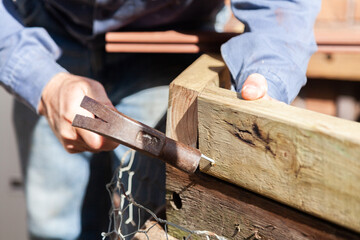
Deck framing is a complex task that requires precision and best practices. Posts and support beams need to be strong enough to hold up heavy objects, and sagging or bouncy decks may be signs that they need additional reinforcement.
Experienced Deck Builders Lexington KY are familiar with zoning laws, permit requirements, and local codes to ensure that your project is in compliance. They can also offer creative solutions that blend functionality with aesthetics.
Expertise
Professional deck builders create outdoor structures that enhance the usability and aesthetics of residential properties. Skilled craftsmanship ensures that decks are durable, safe, and tailored to each homeowner’s landscape and preferences. Whether you’re looking for a cozy retreat or an outdoor dining area, a high-quality deck will transform your home in Coeur D Alene into an ideal spot for relaxation and entertaining.
Cost-Efficiency
Professionals understand how to optimize every stage of the construction process, minimizing expenses and project delays. They anticipate issues and deliver solutions that align with best practices and your budget. Their expertise translates into a smoother project experience that delivers reliable results, saving you money in the long run.
Creative Solutions
Skilled builders offer innovative ideas that elevate your deck’s aesthetics and functionality. They propose elements like custom inlays, intricate railings, and other creative solutions that blend beauty and practicality. They also help you choose materials that are durable, weather-resistant, and easy to maintain, ensuring a beautiful appearance for years.
Structural Integrity
Decks must meet certain safety standards, requiring reinforced structural integrity to ensure they can support heavy traffic and constant use. Professionals have a deep understanding of local regulations, permit requirements, and load-bearing factors to create a structure that stands up to the elements and the test of time.
Maintenance Savings
Maintenance is a big concern in community living environments, and frequent repairs disrupt residents and add to costs. Deck Science professionals specialize in building shared decks for townhomes and apartment complexes. We design structures that match the community’s desired look, stay within budget, and meet the demands of heavy resident use. We use composite materials that resist fading, cracking, warping, and splintering to minimize maintenance and upkeep.
Creative Solutions
Decks can be a focal point of the landscape but they also work best when integrated with other features such as patios, walkways, retaining walls and pools. Troubadour Installations helps clients integrate their outdoor spaces so the layout feels functional, purposeful and connected to their home.
Whether wood or composite, Troubadour Installations builds decks that support the client’s design goals and fit with the architecture of the home, pool surroundings or other outdoor features. The company pays close attention to framing and fastening so the deck surface withstands seasonal weather and maintains its visual appeal.
If your deck is showing signs of rot, insect infestation or other damage to the boards, it may be time for a replacement. Using a screwdriver, probe suspect areas of the deck for softness or sinking. If the screwdriver easily penetrates the wood, it’s time for a new deck.
Time Savings
A deck is a beautiful addition to your home and can increase its value. It also helps your family enjoy the outdoors in a safe and comfortable setting. A high-quality deck can add up to a 40-50% return on investment, depending on the materials you choose and how you customize the design.
Choosing to have your deck reinforced with concrete or steel increases its load-bearing capacity and extends its lifespan. This can reduce the risk of structural damage caused by shifting soil or heavy weather conditions, such as storms or hail. Reinforcement can also help prevent sagging and instability, which can reduce the safety of your deck and cause people to fall or injure themselves.
Wood joist reinforcement is an environmentally friendly option that improves the stability of your deck and increases its load-bearing capacity. The wood used for decking, such as ipe, teak, and mahogany, is harvested from tropical forests. Much of this logging is illegal, according to reports by environmental organizations.
Structural reinforcement is a broad category of interventions designed to strengthen existing buildings. These can include local interventions or repairs, as well as improvements that improve a building’s overall behavior. Choosing the right structural reinforcement process is crucial to ensure that the results meet current standards requirements and provide safety for users.
Scheduled in the late fall or early spring, a deck build can minimize its impact on a homeowner’s yard and landscaping. Construction equipment and the demands of daily use can damage lawns and other outdoor plants, but when the season changes to fall or early spring, these areas are entering their natural dormancy. In turn, this allows them to better withstand the effects of construction and traffic. Additionally, contractors’ workloads may be lighter during off-season months, which can enable them to offer competitive pricing and more dedicated service.
Safety
Decks are outdoor structures, so they’re subject to weather and environmental stresses. Professionals design and build with safety in mind, ensuring the structural integrity of your deck for years to come.
The most common safety issue with decks is structural failure, which can lead to collapse and injury. Homeowners can improve safety by conducting routine inspections, maintaining proper maintenance, and addressing any concerns immediately.
One way that a homeowner can ensure their deck is safe is to hire a licensed professional to perform a comprehensive safety inspection. The inspection should include a review of the deck’s structure to identify any issues that need attention. This may include examining the joists, connections, and railings for signs of weakness, damage, or deterioration. It’s also a good idea to check for potential hazards that can affect the safety of the deck, such as tripping and falling objects or poor traction on walking surfaces.
Professionals are well-versed in municipal building codes and adhere to industry standards, including the International Residential Code (IRC). They understand the importance of a continuous load path, properly installed connectors and fasteners, and moisture-resistant materials and finishes. They’re also familiar with resources like the Simpson Strong-Tie(r) Deck Connection and Fastening Guide, which provides guidance for builders and specifies a wide range of fastener options for code-compliant deck construction.
Deck safety also benefits from adequate drainage and ventilation, which help protect framing components from moisture damage. Proper layout planning, flashing details, and grading practices support this goal. Finally, incorporating slip-resistant surfaces into stairs and railings helps minimize the risk of falls.